

Chaos vs. Collaboration: The Stark Difference Between Communities With and Without an STR Association
Picture two nearly identical coastal communities. In one, a holiday weekend brings a wave of noise complaints, overflowing trash bins, and a flurry of angry neighborhood emails. In the other, it brings valued guests who dine at local restaurants, shop in boutiques, and contribute to the economy, all while being guided by clear, community-agreed-upon rules. What makes the stark difference? The answer is often organized collaboration.

At homes-spacecoast.com, we are more than just real estate experts; we are community stakeholders. With deep roots in the Space Coast, we’ve seen firsthand how the approach to short-term rentals (STRs) can either build up or break down a neighborhood’s harmony and value. Our expertise isn’t just in transactions; it’s in understanding the delicate balance that creates stable, prosperous communities for everyone.
This post will explore the critical distinction between communities that descend into chaos and those that thrive through collaboration, highlighting the pivotal role a Short-Term Rental (STR) Association plays in achieving the latter. We’ll examine the stark difference between communities with and without this vital framework, providing a clear path forward for owners, residents, and investors alike.
Key Takeaways
- Without an Association (Chaos): Communities often face inconsistent rule enforcement, escalating conflict between neighbors and STR owners, and the constant risk of reactive, restrictive regulations that can damage property values for everyone.
- With an Association (Collaboration): Communities benefit from clear standards, a unified voice for fair regulation, effective self-policing mechanisms, and protected property values for all residents, including those who do not rent their homes.
- The Role of an Association: An STR Association acts as a crucial bridge, fostering productive communication, establishing industry best practices, and advocating for responsible rental policies that benefit owners, residents, and the local economy.
- Space Coast Relevance: In a region defined by dynamic tourism, proactive collaboration is essential for balancing our thriving visitor economy with the exceptional quality of life our residents cherish.
TL;DR
Communities without an STR Association often experience escalating conflict, inconsistent rules, and the threat of sudden bans (Chaos). In contrast, communities with an STR Association foster clear communication, fair regulations, and shared accountability, leading to stable property values and neighborhood harmony (Collaboration).
The Anatomy of Chaos: A Community Without an STR Association
When short-term rentals operate in a vacuum, without a governing body or shared set of principles, the environment can quickly deteriorate. This isn’t due to bad intentions, but rather a lack of structure, communication, and accountability. The result is a predictable cycle of frustration that harms everyone involved.
The “Wild West” Environment
In a community without an STR association, it’s every owner for themselves. There are no shared standards for noise mitigation, parking etiquette, trash disposal, or guest conduct. One owner might be diligent, providing guests with a detailed binder of rules and contact information, while their neighbor might simply hand over a key code and hope for the best.
This inconsistency creates deep uncertainty. Residents never know what to expect from the rental next door, and responsible STR owners find themselves unfairly grouped with the few operators who cause problems. This lack of a unified standard means there is no accountability framework, leaving legitimate issues to fester.
Resident Frustration and Animosity
Imagine being a long-term resident whose peace is shattered every other weekend by a loud party, overflowing garbage cans, or cars blocking your driveway. When these legitimate complaints arise, who do you call? The owner might be an out-of-state investor with no local contact. The police may be reluctant to intervene unless a law is clearly broken. This lack of a clear resolution path leads to immense frustration.
Over time, this frustration curdles into a pervasive “us vs. them” mentality. Every STR becomes a potential “party house” in the eyes of the community, and every complaint feels like a personal attack to an owner. Productive dialogue becomes impossible, replaced by heated arguments at HOA meetings and angry posts on community forums.
The Threat of Draconian Regulations
When resident frustration reaches a boiling point, local governing bodies like city councils or HOA boards are forced to act. Lacking a collaborative partner to work with, their response is often a blunt instrument: a blanket restriction or an outright ban on all short-term rentals.
These draconian regulations are a reaction to chaos. They punish the many responsible owners for the actions of a few “bad apples.” For an STR owner, this represents the ultimate risk: the sudden and complete loss of rental rights and income, gutting their property’s value and investment potential. For the community, it means losing the economic benefits of tourism and potentially infringing on private property rights.
Forging Collaboration: How an STR Association Changes the Game
The antidote to chaos is not confrontation, but collaboration. A Short-Term Rental Association provides the structure needed to transform a fractured, reactive environment into a proactive, problem-solving community.
What Exactly is an STR Association?
STR Association: A formal or informal group of short-term rental owners, property managers, and other stakeholders dedicated to promoting responsible renting, establishing best practices, and serving as a unified voice for the industry within a community.
It is a proactive entity, not a reactive one. Its purpose is to get ahead of problems, establish clear standards of conduct, and build bridges with the wider community and local government. It shifts the dynamic from individual operators defending their own business to a collective of professionals committed to being good neighbors.
From Conflict to Communication: Creating a Unified Voice
One of the most powerful functions of an association is providing a single, reliable point of contact. Instead of a city council hearing from dozens of disparate, emotional voices, they can engage in a productive dialogue with an organized group that represents the interests of responsible owners. This allows for constructive problem-solving rather than shouting matches. The association can survey its members, gather data, and present well-reasoned arguments, transforming the conversation from anecdotal complaints to data-driven solutions.
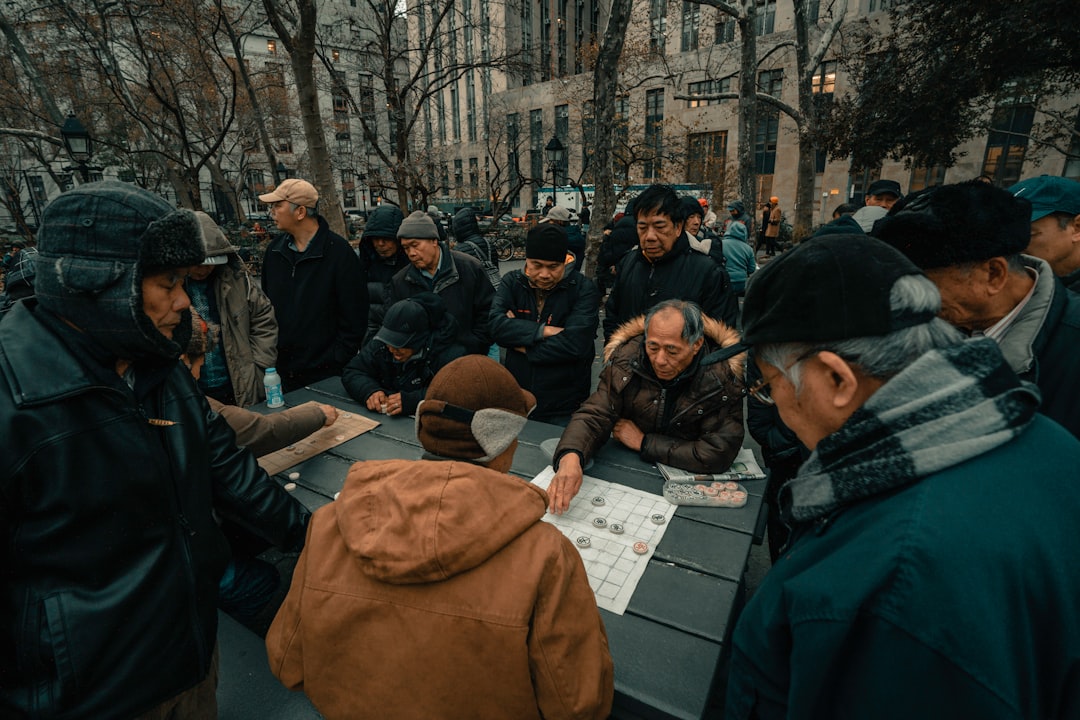
Establishing a Code of Conduct
A cornerstone of any effective STR association is a member-agreed “Code of Conduct” or “Good Neighbor Policy.” This isn’t just a piece of paper; it’s a tangible commitment to responsible operation. This code often includes:
- Strict Guest Vetting: Implementing processes to screen potential guests and prevent parties before they start.
- Noise Monitoring: Using privacy-safe technology to detect and address excessive noise levels in real time.
- Clear House Rules: Providing guests with explicit rules on parking, trash, and quiet hours.
- 24/7 Local Contact: Ensuring a designated person is available at all times to immediately address any neighbor concerns.
By self-imposing these high standards, the association demonstrates to the community that its members are serious about preventing disturbances and preserving neighborhood peace.
Advocating for Fair, Sensible Rules
Perhaps most importantly, an association can work with local officials to craft fair and effective regulations. Instead of simply fighting against all rules, they can come to the table as partners. They can offer industry expertise on what works, proposing solutions like a tiered permit system, occupancy limits based on property size, or a mandatory registration process. This collaborative approach helps create ordinances that address legitimate community concerns—like noise, trash, and safety—without destroying the local STR industry. This is the very essence of collaboration over chaos.
The Stark Difference in Outcomes: A Side-by-Side Comparison
The presence of an STR association creates a ripple effect, fundamentally changing the outcomes for property owners, residents, and the community at large.
| Aspect | Without an STR Association (Chaos) | With an STR Association (Collaboration) |
|---|---|---|
| Property Values | At risk. Regulatory uncertainty and neighborhood degradation can deter buyers and negatively impact appraisals for all homes in the area. | Protected. Predictable rules, a well-managed community reputation, and a stable tourism economy enhance and sustain property values. |
| Quality of Life | Disrupted. Residents feel powerless against unresolved issues, leading to constant conflict, stress, and a diminished sense of community. | Preserved. Established complaint resolution processes and accountable owners ensure that issues are handled quickly and professionally, maintaining peace. |
| STR Owner Sustainability | High-risk. A volatile business model where your investment is constantly vulnerable to sudden, sweeping bans driven by community backlash. | Stable. A long-term, sustainable investment supported by a network of peers, shared best practices, and fair, predictable policies. |
Bringing it Home: Why This Matters for the Space Coast
Here on Florida’s Space Coast, the stakes are particularly high. Our unique real estate landscape is a magnet for visitors from around the globe, and managing this demand responsibly is critical for our long-term prosperity.
Our Unique Real Estate Landscape
Brevard County’s appeal is undeniable. The demand for short-term rentals is fueled by a powerful combination of attractions: historic rocket launches from Cape Canaveral, bustling cruise terminals in Port Canaveral, and miles of beautiful Atlantic beaches. This influx of tourism is a massive economic engine, but it also places pressure on our residential communities. The growth of the vacation rental market has been significant, mirroring a national trend where, according to the National Association of Realtors, vacation home sales saw double-digit growth in recent years. This makes proactive management not just a good idea, but an absolute necessity.
Navigating Local Ordinances and HOA Rules
The regulatory landscape across the Space Coast is a patchwork of different rules. Ordinances in Cocoa Beach can differ significantly from those in Satellite Beach or Melbourne, and individual HOA policies add another layer of complexity. Staying informed and compliant is a major challenge for individual owners. An association can serve as a vital information hub, helping members navigate these rules and advocating for consistency and clarity across municipalities.
How homes-spacecoast.com Champions Collaboration
As your local real estate experts, we at homes-spacecoast.com see the bigger picture. Our role isn’t just to help you buy or sell a property; it’s to help you integrate into the community successfully and protect your investment for the long haul. We advise our investor clients on the importance of responsible ownership and connect them with the resources needed to become valued members of the community. Our expertise is in understanding the delicate balance that makes the Space Coast a great place to live and invest. We believe fostering this collaboration is key to the long-term health of our real estate market. Our team of authors has covered these topics extensively, and you can see the full range of our expertise by browsing our post sitemap and the structure of our website pages. The expertise of each contributing author is foundational to our collaborative approach.
The Path Forward: How to Move from Chaos to Collaboration
Transitioning from a state of conflict to one of cooperation is achievable, but it requires intentional action from all parties.
For STR Owners: Get Involved
If you own or manage an STR, your first step is to seek out and join existing alliances. National and state-level STR alliances like The Association for Short-Term Rental Homeowners (ASTRO) provide invaluable resources and a powerful collective voice. If a formal group doesn’t exist in your immediate community, start a conversation with other local owners. Share this article. Meet for coffee. The journey from chaos to collaboration begins with a single, proactive step.
For Homeowners and HOAs: Open a Dialogue
If you are a resident or board member frustrated with STR issues, resist the urge to immediately demand a ban. Instead, invite local STR owners to a meeting to discuss creating a “Good Neighbor Policy.” Frame the conversation around shared goals and solutions, not just problems. You may be surprised to find that responsible owners want the same thing you do: a peaceful, well-maintained neighborhood.
For Everyone: Focus on Shared Goals
Ultimately, every stakeholder wants a safe, clean, and valuable community. This is the common ground where collaboration can take root. When discussions are framed around this shared objective, it becomes clear that responsible STRs and happy residents are not mutually exclusive goals. They are, in fact, two sides of the same coin—a thriving, harmonious community.
Building a Better Community Together
The difference between a community in chaos and one in collaboration is not luck—it’s intentional effort, structured communication, and a shared commitment to the greater good. A Short-Term Rental Association is the single most effective tool for organizing that effort, providing the framework needed to turn conflict into conversation and problems into policies.
The choice communities face isn’t simply “STRs vs. No STRs.” The real choice is between proactive, collaborative management and reactive, perpetual conflict. By choosing collaboration, we protect property values, preserve our quality of life, and ensure the Space Coast remains a world-class destination to both visit and call home.